
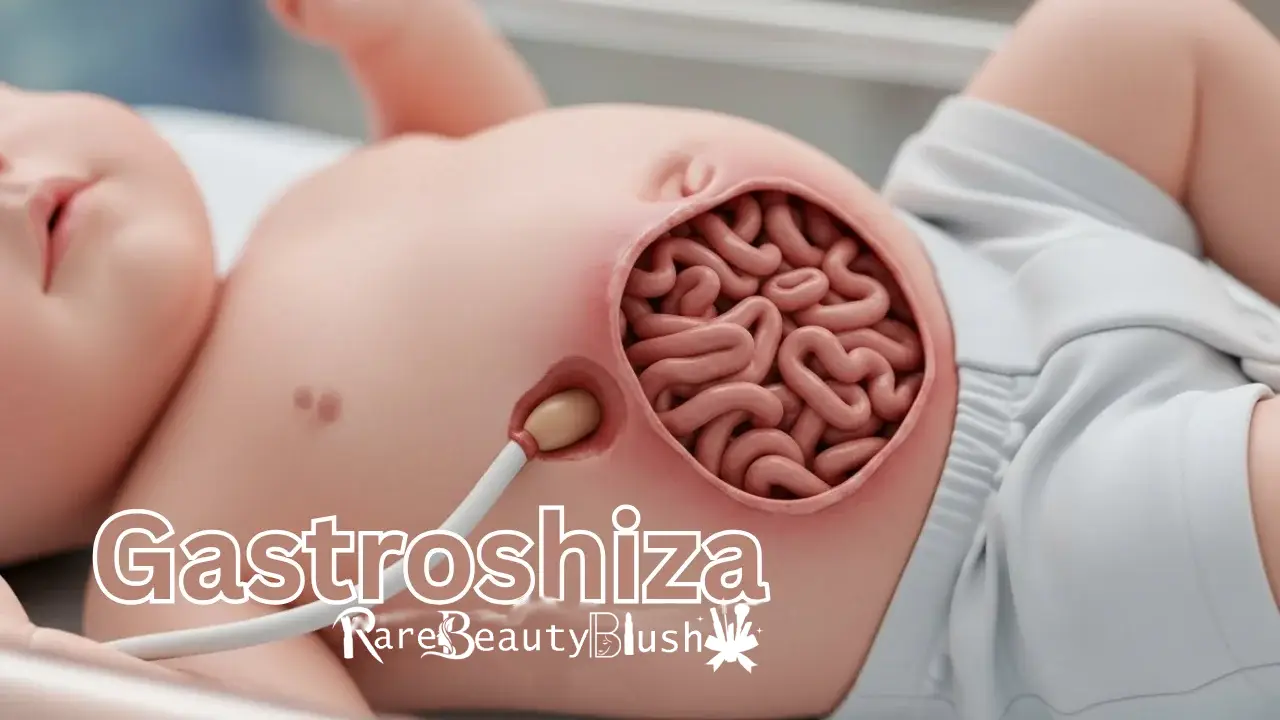
Gastroshiza is a medical term commonly used to refer to gastroschisis, a rare congenital abdominal wall defect that affects newborns. Although the spelling “gastroshiza” is less frequently used in clinical literature, it is widely associated with gastroschisis and often searched as an alternative keyword. This condition occurs during fetal development and is characterized by an opening in the baby’s abdominal wall, usually to the right of the umbilical cord, through which the intestines protrude outside the body.
Gastroshiza is considered a serious but treatable condition. With modern neonatal care, pediatric surgery, and improved prenatal diagnosis, survival rates have increased significantly over the past few decades. Understanding this condition is important for expectant parents, healthcare professionals, and anyone interested in congenital disorders and maternal-fetal health.
In this article, we will explore gastroshiza in detail, including its causes, symptoms, diagnosis, treatment options, long-term outcomes, and preventive considerations, while also using related keywords such as gastroschisis, abdominal wall defect, neonatal surgery, prenatal ultrasound, and congenital anomalies.
What Is Gastroshiza (Gastroschisis)?
Gastroshiza is a congenital anomaly in which a baby is born with a defect in the abdominal wall. Because of this defect, the intestines—and sometimes other organs like the stomach or liver—develop outside the baby’s body without a protective sac.
This condition differs from another abdominal wall defect called an omphalocele, where the organs protrude but are covered by a membrane. In gastroshiza, there is no such covering, which makes the exposed organs more vulnerable to irritation and damage from amniotic fluid during pregnancy.
Gastroshiza usually develops early in pregnancy, often within the first trimester, when the abdominal wall fails to close properly. It is not typically associated with chromosomal abnormalities, which is one reason why many infants with this condition can recover well after surgery.
Causes and Risk Factors of Gastroshiza
The exact cause of gastroshiza is not fully understood, but researchers believe it results from a combination of genetic, environmental, and vascular factors. Several risk factors have been identified through epidemiological studies.
One of the most significant risk factors is young maternal age. Gastroshiza is more commonly seen in babies born to mothers under the age of 20. Other potential risk factors include maternal smoking, alcohol use, recreational drug use, and poor nutritional status during pregnancy.
Exposure to certain medications or environmental toxins during early pregnancy may also increase the risk. Additionally, some theories suggest that a disruption in blood flow to the developing abdominal wall may lead to the defect seen in gastroshiza.
Despite these associations, it is important to note that in many cases, gastroshiza occurs without any identifiable cause, and parents should not blame themselves for the condition.
Signs and Symptoms in Newborns
The signs of gastroshiza are usually obvious at birth. The most noticeable symptom is the presence of intestines outside the baby’s body, visible through an opening in the abdomen.
Other symptoms and complications may include:
-
Swollen or inflamed intestines due to exposure to amniotic fluid
-
Low birth weight or premature birth
-
Difficulty feeding
-
Problems with digestion and nutrient absorption
-
Risk of infection and fluid loss
Because the intestines are exposed, newborns with gastroshiza require immediate medical attention after delivery. They are usually transferred to a neonatal intensive care unit (NICU) for stabilization and surgical planning.
Prenatal Diagnosis and Screening
One of the most important advances in managing gastroshiza is prenatal diagnosis. The condition is often detected during routine prenatal ultrasound, sometimes as early as the second trimester.
Ultrasound imaging can clearly show bowel loops floating outside the fetal abdomen, which helps doctors make an early diagnosis. In some cases, elevated levels of maternal serum alpha-fetoprotein (AFP) may also suggest the presence of an abdominal wall defect.
Early diagnosis allows healthcare providers to closely monitor fetal growth, plan the timing and location of delivery, and ensure that specialized neonatal surgical care is available immediately after birth.
Treatment and Neonatal Surgery Options
The primary treatment for gastroshiza is surgery, usually performed shortly after birth. The main goal of neonatal surgery is to place the exposed organs back into the abdominal cavity and close the opening in the abdominal wall.
There are two main surgical approaches:
-
Primary repair, where the organs are returned to the abdomen and the defect is closed in a single operation.
-
Staged repair, where a protective pouch called a silo is placed over the organs, and they are gradually moved back into the abdomen over several days before final closure.
The choice of surgical method depends on factors such as the size of the defect, the condition of the intestines, and the baby’s overall health. Advances in pediatric surgery have greatly improved outcomes for infants with gastroshiza.
Post-Surgical Care and Recovery
After surgery, babies with gastroshiza require careful monitoring in the NICU. They may need help with breathing, intravenous fluids, and parenteral nutrition until their intestines are ready to function normally.
Feeding is introduced gradually, often starting with small amounts of breast milk or formula through a feeding tube. Some infants may experience temporary digestive issues, such as slow bowel movement or difficulty absorbing nutrients.
Recovery time can vary from a few weeks to several months, depending on the severity of the condition and whether complications arise. With proper medical care, many babies go on to develop normally.
Long-Term Outcomes and Quality of Life
The long-term outlook for children born with gastroshiza is generally positive. Most children grow up to have normal digestive function and lead healthy lives.
However, some may experience long-term issues such as:
-
Intestinal motility problems
-
Feeding difficulties in early childhood
-
Increased risk of bowel obstruction
-
Slower growth during infancy
Regular follow-up with pediatricians and specialists is essential to monitor development and address any complications early. Overall, advances in neonatal medicine have significantly improved the survival rate and quality of life for children with gastroshiza.
Prevention and Maternal Health Considerations
While gastroshiza cannot always be prevented, maintaining good maternal health may reduce the risk. This includes avoiding smoking, alcohol, and recreational drugs during pregnancy, eating a balanced diet, and attending regular prenatal checkups.
Public health education focusing on young mothers is also important, as early awareness and access to prenatal care can make a significant difference in outcomes.
Conclusion
Gastroshiza, commonly associated with gastroschisis, is a rare but serious congenital abdominal wall defect that requires prompt medical and surgical care. Thanks to early prenatal diagnosis, advances in neonatal surgery, and improved post-operative care, the prognosis for affected infants has improved dramatically.
By understanding gastroshiza, its causes, treatment options, and long-term outcomes, parents and healthcare providers can work together to ensure the best possible start for babies born with this condition. Awareness, education, and continued medical research remain key to further improving outcomes for children affected by gastroshiza and related congenital anomalies.