
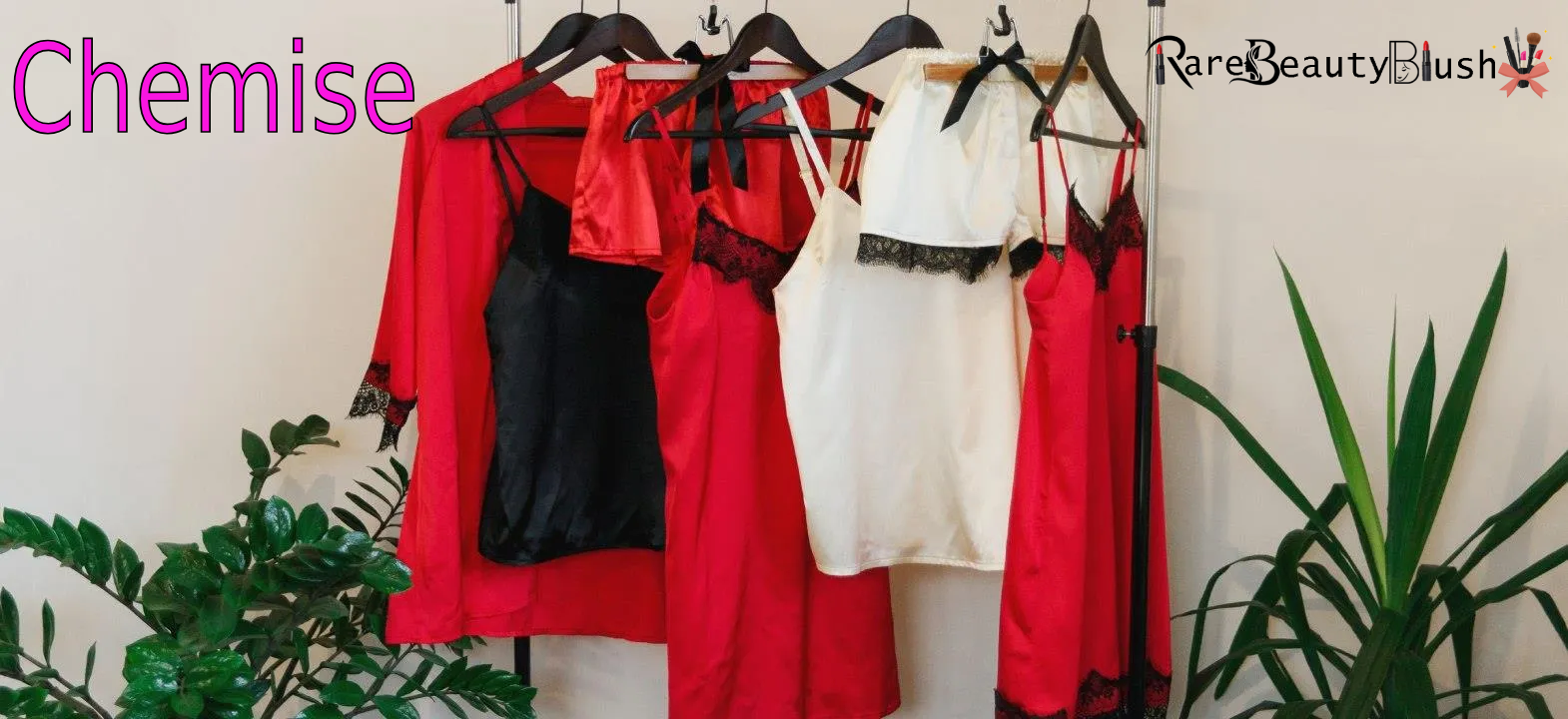
When it comes to clothing, a few things stand the test of time and advance into mold staples, whereas others stay specialty, however notorious. One such article of clothing that has persevered through centuries of alteration is the chemise. In spite of the fact that it might sound new to a few, the chemise has played a noteworthy part in mold history, from medieval times to cutting-edge underwear collections. In this article, we’ll investigate what a chemise is, its history, its advanced adjustments, and how it is utilized today.
Defining the Chemise
A chemise is basically a straightforward, loose-fitting article of clothing that covers the body from the shoulders to anyplace between the upper thighs and lower legs. Verifiably, it was worn as underwear by both men and women. The essential reason the chemise was consolation and protection—it served as a boundary between the skin and external articles of clothing, anticipating sweat and body oils from ruining more costly textures like silk, fleece, or linen.
In advanced design, the term chemise is most commonly related to women’s underwear or nightwear. Nowadays, chemises are regularly made of delicate, lightweight textures such as silk, glossy silk, cotton, or bind. They are outlined to be both comfortable and tastefully engaging, advertising a mix of straightforwardness and elegance.
A Brief History of the Chemise
The chemise has a captivating history that extends back a few centuries. Its roots can be traced to medieval Europe, where it was worn by both genders beneath their external clothing. For ladies, it worked as the to begin with layer beneath dresses and outfits. For men, it was worn underneath tunics and coats.
During the Renaissance, the chemise became more elaborate, including embellishments on the collars and sleeves. In Despiteese embellishments, its essential reason remained unaltered: to secure external articles of clothing and give a comfortable layer against the skin.
By the 18th and 19th centuries, chemises became more refined, frequently made from fine cotton or cloth, and now sometimes including sensitive buttons of interest. With the approach of the mechanical transformation, mass production clothing made chemises more open to the common people’s design started to see chemises as more than a garment—they were some of the time worn as lightweight dresses at domestic, especially in warm climates or casual settings.
Characteristics of a Chemise
Several highlights characterize a conventional or present-day chemise:
- Loose Fit: Not at all like body-hugging articles of clothing, a chemise is designed to hang freely from the shoulders, giving flexibility of development and comfort.
- Simple Plan: Ordinarily, chemises do not have complex closures or fastenings. Truly, they might have been tied at the midsection with a lace or sash.
- Length Variety: Chemises can run from mid-thigh to ankle-length, depending on their intended use. Underwear chemises are frequently shorter, whereas verifiable forms tend to be longer.
- Fabric Choice: Lightweight and delicate textures are favored. Cloth and cotton were well known generally, whereas advanced chemises regularly join glossy silk, silk, and bind for a more lavish feel.
- Sleeve Fashion: Chemises can be sleeveless, short-sleeved, or long-sleeved. A few conventional adaptations include full sleeves that assemble at the wrists.
Chemise vs. Other Comparable Garments
It’s simple to befuddle a chemise with other pieces of clothing, such as a slip, robe, or camisole, but there are inconspicuous differences:
- Slip: A slip is more often than not worn beneath dresses to avoid clinging and make strides the stream of the texture. Not at all like chemises, slips are regularly fitted or maybe too small.
- Nightgown: A robe is particularly outlined for resting, whereas a chemise can serve different purposes, from nightwear to lingerie.
- Camisole: A camisole is a sleeveless garment regularly utilized as an undergarment or chemise, typically expaextendscover portion of the middle and in some cases the upper legs.
Understanding these contrasts makes a difference in choosing the right article of clothing for consolation, fashion, or layering.

The Chemise in Cutting-edge Fashion
In the 21st century, the chemist has advanced significantly. Whereas it keeps up its roots as a comfortable and loose-fitting piece of clothing, it has become an amalgamation of tastefulness and sexiness in women’s mold. Modern chemises are frequently showcased as underwear pieces, idealize for extraordinary events or insinuate moments.
Many modern chemises feature:
- Lace Insets: Sensitive bind boards along the neck area or sewn in to include womanliness and elegance.
- Adjustable Straps: To give a superior fit for different body types.
- Stretch Textures: Advanced textures with a slight extension offer made strides in isolation and movement.
- Bold Colors and Designs: From classic dark or white to shining hues and flower patterns are outlined to suit diverse tastes.
Moreover, chemises are no longer limited to bedrooms—they are progressively seen in daywear design. A few originators have joined chemise-inspired dresses into ready-to-wear collections. These pieces of clothing hold the loose-fitting class of conventional chemises, whereas advertising viable highlights are reasonable for outdoor use.
How to Wear a Chemise
Wearing a chemise depends on the context:
- As Nightwear: Select a delicate, breathable texture like cotton or silk. Combine it with coordinating sleepwear extras for extreme comfort.
- As Underwear: Select for sumptuous textures and bind points of interest. Chemises can be combined with coordinating robes or underwear sets.
- As Outerwear: Long, streaming chemise-inspired dresses can be styled with belts, boots, or coats to make a cutting-edge, chic look.
One of the most engaging angles of the chemise is its versatility—it can be both casual and rich, insinuating and fashionable.
Caring for Your Chemise
Caring for a chemise legitimately guarantees life span, especially if it is made of fragile textures like silk or lace:
- Hand Wash or Tender Cycle: Utilize ma cleanser and avoid hot water to prevent damage.
- Air Dry: Lay level or hang in a shaded region. Dodge coordinate daylight, which can blur colors and debilitate texture fibers.
- Proper Capacity: Store in a cool, dry place. Crease carefully to avoid wrinkles, or hang to keep up shape.
With appropriate care, a high-quality chemise can final for a long time, making it both a down-to-earth and sumptuous addition to your wardrobe.

Why the Chemise Remains Popular
The chemise perseveres in ubiquity for a few reasons:
- Comfort: Its free fit makes it one of the most comfortable pieces of clothing for resting or lounging.
- Elegance: Cutting-edge hemispheres combine consolation with fashion, advertising fragile textures and alluring designs.
- Versatility: Chemises can be adjusted for nightwear, underwear, or indeed casual dresses.
- Timelessness: From medieval Europe to modern design, the chemise has retained significance over centuries.
Fashion patterns come and go, but the chemise remains an effortless piece due to its effortlessness, flexibility, and elegance.
Conclusion
The chemise is more than fair a piece of clothing; it is anarticle of of clothing wia history andaa aaandersevering appeal. From its roots as a viable undergarment to its cutting-edge innovation and mold, the chemise encapsulates consolation, class, and flexibility. Whether you are investigating authentic mshopping for cutting-edge wr understanding what a chemise is, can help to understand its style. hstylesee fit, basic plan, and fragile textures make it a one-of-a-kind piece of clothing that proceeds to capture the creative ability of design devotees around the world. So, whether you wear it for consolation, fashion, or a touch of extravagance, the chemise remains an ageless choice in any closet.