
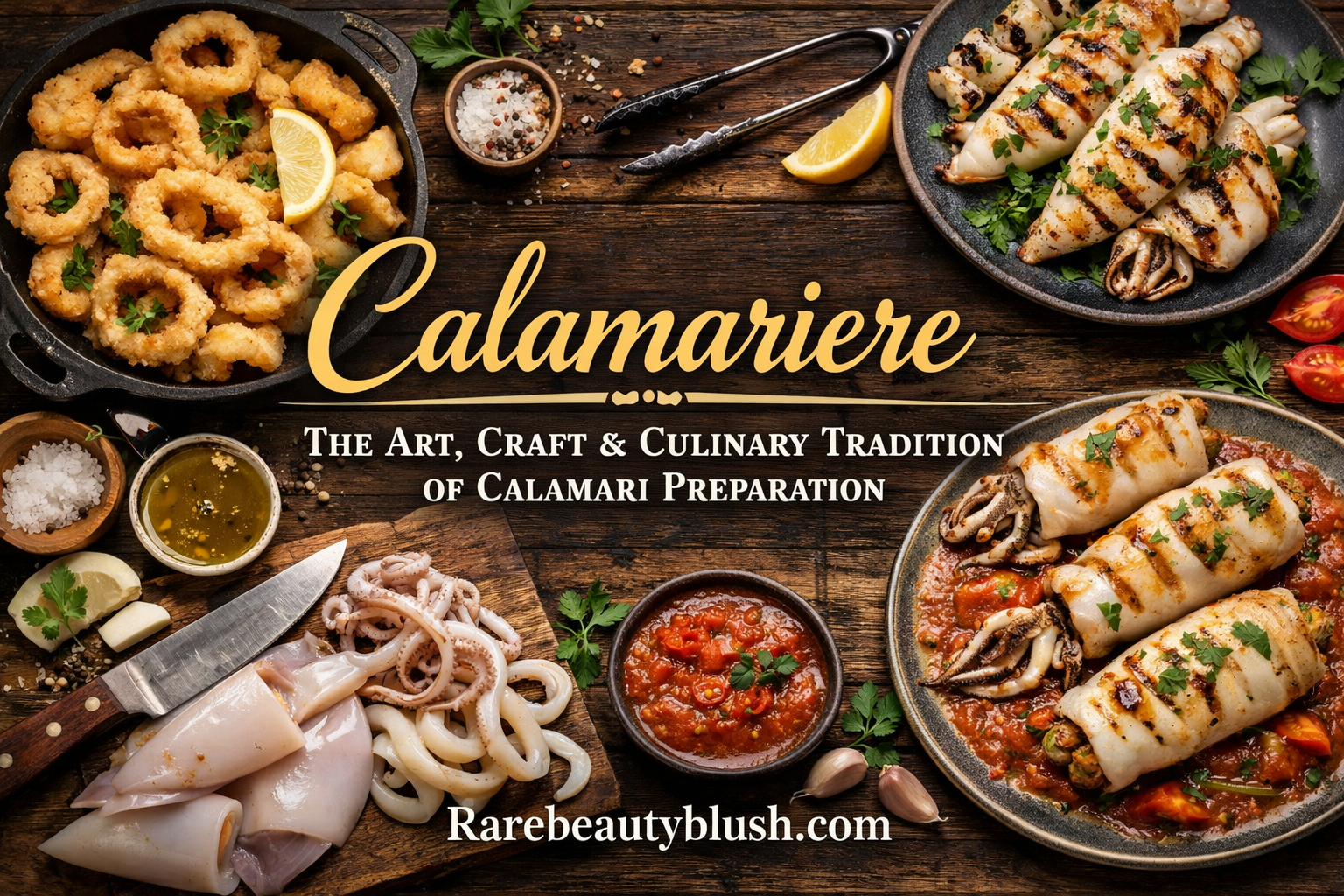
Calamariere is a term that captures far more than the simple act of cooking squid. Rooted in culinary tradition, craftsmanship, and regional food culture, a calamariere represents the skill, knowledge, and artistry behind preparing calamari to perfection. From Mediterranean coastal kitchens to modern fine-dining restaurants, the concept of calamariere reflects a deep respect for seafood, technique, and flavor balance. This article explores the meaning of calamariere, its historical roots, preparation methods, tools, cultural importance, and its evolving role in contemporary cuisine.
Understanding the Meaning of Calamariere
At its core, calamariere refers to a person or role associated with the preparation and handling of calamari, which is the culinary term for squid. The word is closely linked to Italian culinary heritage, where seafood preparation is often treated as a specialized craft. Much like a pasticciere specializes in pastries or a fornaio in bread, a calamariere focuses on squid and related seafood dishes.
In broader usage, calamariere can also symbolize the tradition, recipes, and techniques surrounding calamari preparation. It encompasses knowledge of squid anatomy, cleaning methods, cooking times, seasoning, and presentation. This makes the calamariere an important figure in seafood gastronomy, especially in regions where squid is a dietary staple.
Historical Roots of Calamariere in Mediterranean Cuisine
The history of calamariere is deeply connected to Mediterranean coastal cultures. Squid has been consumed for thousands of years, particularly in Italy, Greece, Spain, and parts of North Africa. Ancient fishing communities relied on squid as a readily available source of protein, and over time, specialized roles emerged within kitchens and markets.
In Italy, calamari became a central ingredient in coastal dishes such as calamari fritti, calamari ripieni, and calamari in umido. The calamariere was often the individual responsible for selecting fresh squid from the morning catch, cleaning it efficiently, and preparing it using time-tested recipes. This specialization helped preserve quality and consistency, reinforcing the importance of skilled seafood handling.
The Role of a Calamariere in Modern Kitchens
In today’s culinary world, the role of a calamariere has evolved but remains highly relevant. In high-end seafood restaurants and traditional trattorias, chefs who specialize in calamari preparation still apply principles associated with this role. Their responsibilities include:
-
Selecting fresh squid based on texture, smell, and appearance
-
Properly cleaning and preparing squid to avoid bitterness
-
Choosing the right cooking method for different calamari dishes
-
Balancing flavors using herbs, olive oil, garlic, lemon, and spices
Modern calamariere-style chefs also experiment with fusion techniques, combining traditional Mediterranean flavors with Asian, Latin, or contemporary Western influences.
Calamari Preparation Techniques and Skills
One of the defining aspects of calamariere expertise lies in preparation techniques. Squid can easily become tough or rubbery if cooked incorrectly, so precision is essential.
Cleaning and Handling Squid
Proper cleaning involves removing the head, innards, quill, and skin while preserving the delicate body. A skilled calamariere performs this process quickly and hygienically, ensuring minimal waste.
Cooking Methods
Common calamari cooking methods include:
-
Frying: Lightly battered or floured calamari fried at high temperatures for a crispy texture
-
Grilling: Whole or sliced squid grilled briefly to enhance smoky flavors
-
Stuffing: Squid tubes filled with breadcrumbs, herbs, seafood, or cheese
-
Stewing: Slow-cooked calamari in tomato-based or wine sauces
Each method requires precise timing, a hallmark of calamariere-level skill.
Essential Tools Used by a Calamariere
The tools of a calamariere are simple but effective. They include sharp knives for clean cuts, cutting boards designed for seafood, and temperature-controlled fryers or grills. In traditional kitchens, tools were minimal, relying more on technique than equipment.
Modern kitchens may also use:
-
Thermometers for oil temperature control
-
Vacuum sealers for marinating squid
-
Specialized grills or planchas
Despite technological advancements, the essence of calamariere craftsmanship remains rooted in hands-on expertise.
Cultural Importance of Calamariere Traditions
Calamariere traditions reflect the broader cultural importance of seafood in coastal societies. In Italy and Greece, calamari dishes are often associated with family gatherings, religious festivals, and seaside celebrations. The calamariere, whether formally recognized or not, plays a key role in preserving these culinary customs.
Street food culture also highlights calamariere influence, especially in fried calamari stalls along beaches and ports. These settings emphasize freshness, speed, and flavor—qualities that define calamariere philosophy.
Health and Nutritional Aspects of Calamari
Another reason calamariere practices remain relevant is the nutritional value of squid. Calamari is rich in protein, low in fat, and contains essential minerals such as selenium, phosphorus, and vitamin B12. When prepared using healthy methods like grilling or light sautéing, calamari can be part of a balanced diet.
A skilled calamariere understands how to enhance natural flavors without excessive oil or heavy sauces, making dishes both delicious and nutritious.
Related Keywords and Concepts in Calamariere Cuisine
The topic of calamariere is closely connected to several related culinary keywords and concepts, including:
-
Calamari recipes
-
Squid preparation
-
Seafood chef
-
Mediterranean seafood
-
Fried calamari
-
Grilled squid
-
Stuffed calamari
-
Italian seafood cuisine
Incorporating these elements helps define the broader culinary ecosystem in which calamariere traditions exist.
The Evolution of Calamariere in Contemporary Gastronomy
As global cuisine becomes more interconnected, calamariere-style cooking continues to evolve. Chefs now experiment with sous-vide squid, calamari pasta pairings, and innovative plating techniques. Despite these modern twists, the core principles remain unchanged: respect for the ingredient, precision in technique, and balance in flavor.
Food enthusiasts and culinary students are also rediscovering the importance of specialization. Learning calamari preparation as a focused skillset reflects the traditional calamariere approach, blending old-world knowledge with modern creativity.
Conclusion: Why Calamariere Still Matters Today
Calamariere is more than a word; it represents a culinary identity shaped by history, culture, and craftsmanship. From ancient Mediterranean shores to contemporary restaurant kitchens, the principles behind calamariere continue to influence how calamari is selected, prepared, and enjoyed.
By understanding the role, techniques, and cultural value of calamariere traditions, we gain deeper appreciation for one of the world’s most beloved seafood ingredients. Whether enjoyed as crispy fried calamari, delicately grilled squid, or richly stuffed tubes, calamari prepared with calamariere-level care remains a timeless expression of culinary excellence.