
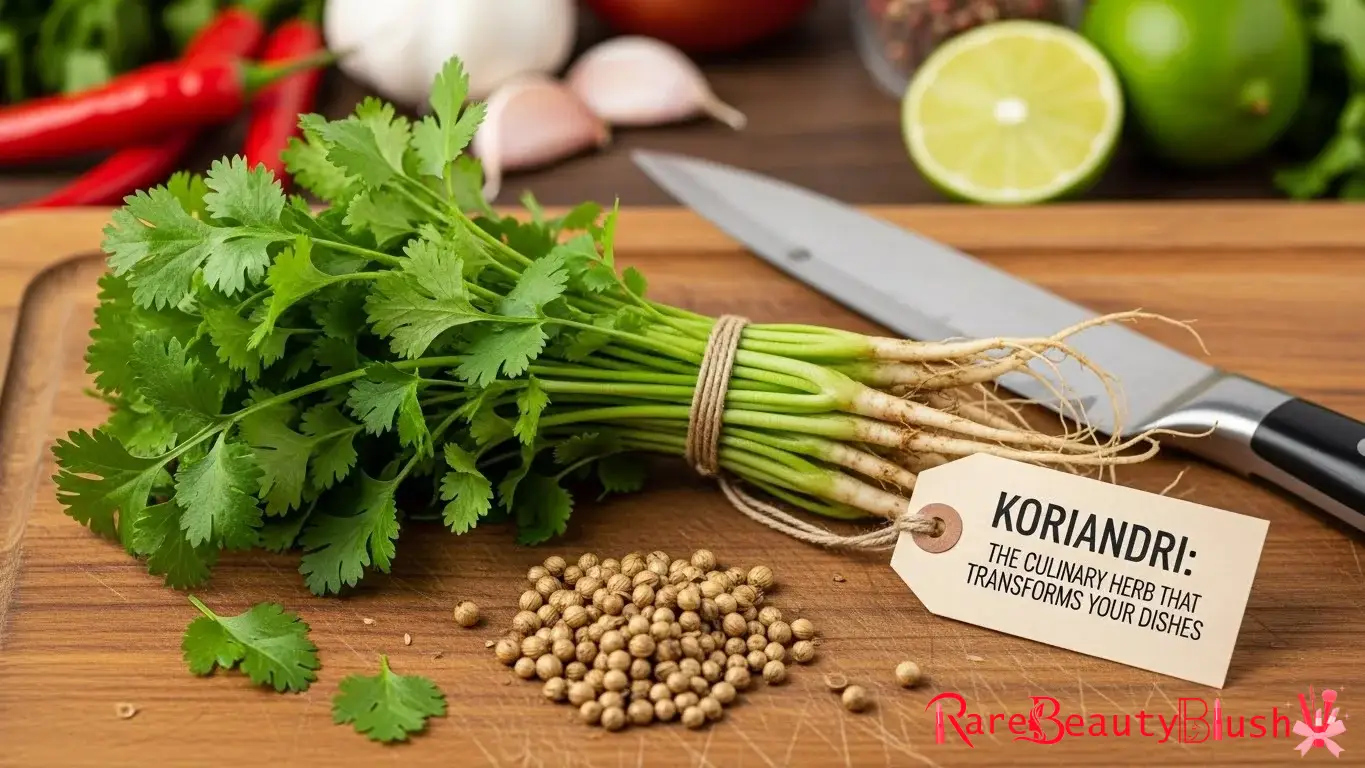
Koriandri, commonly known in many parts of the world as coriander, is one of the most widely used herbs and spices in global cuisine. From ancient civilizations to modern kitchens, koriandri has maintained its importance due to its unique flavor, medicinal properties, and versatility. Both the fresh leaves (cilantro) and the dried seeds (coriander seeds) are used extensively, making it a truly dual-purpose plant.
This article explores koriandri in detail—its history, nutritional value, culinary uses, health benefits, farming methods, and economic significance—while naturally incorporating related keywords such as coriander leaves, coriander powder, cilantro herb, and dhania.
Table of Contents
ToggleHistorical Background of Koriandri
Koriandri has a rich history dating back over 3,000 years. It was cultivated by ancient Egyptians, Greeks, and Romans, who valued it for both culinary and medicinal purposes. Archaeological evidence suggests that coriander seeds were found in Egyptian tombs, indicating its importance in rituals and daily life.
In South Asia and the Middle East, koriandri—often called dhania—became a staple spice. Traditional Ayurvedic and Unani medicine systems have long recognized coriander for its digestive and cooling properties.
Botanical Description of Koriandri
Koriandri (Coriandrum sativum) is an annual herb belonging to the Apiaceae family. The plant grows up to 50 cm tall and produces delicate green leaves and small white or pink flowers.
-
Coriander leaves (cilantro): Fresh, aromatic, and slightly citrusy
-
Coriander seeds: Warm, nutty, and mildly sweet
-
Coriander root: Used in some Asian cuisines, especially Thai cooking
Each part of the plant has a distinct flavor profile, which is why koriandri is so widely used across different cultures.
Nutritional Value of Koriandri
Koriandri is not only flavorful but also packed with essential nutrients. It contains vitamins, minerals, and antioxidants that contribute to overall health.
Key nutrients found in koriandri include:
-
Vitamin A, C, and K
-
Dietary fiber
-
Iron, magnesium, and potassium
-
Antioxidants such as quercetin and terpenoids
Coriander seeds are especially rich in fiber and plant compounds that support digestion and metabolism.
Culinary Uses of Koriandri Around the World
One of the main reasons for koriandri’s popularity is its adaptability in cooking. It is used fresh, dried, whole, or ground.
Use of Coriander Leaves (Cilantro)
Fresh koriandri leaves are widely used as a garnish and flavor enhancer. They are essential in:
-
Indian curries and chutneys
-
Mexican salsas and guacamole
-
Middle Eastern salads
-
Asian soups and stir-fries
Use of Coriander Seeds and Coriander Powder
Coriander seeds are either used whole or ground into coriander powder, a key ingredient in spice blends like garam masala and curry powder. They are commonly used in:
-
Pickles and marinades
-
Soups and stews
-
Baking and spice rubs
The warm and slightly sweet taste of coriander seeds balances spicy and savory dishes perfectly.
Health Benefits of Koriandri
Koriandri has been used in traditional medicine for centuries, and modern research supports many of these benefits.
Improves Digestion
Coriander stimulates digestive enzymes, helping reduce bloating, gas, and indigestion. Coriander water is often consumed to soothe the stomach.
Supports Heart Health
Koriandri may help reduce bad cholesterol (LDL) while increasing good cholesterol (HDL), supporting cardiovascular health.
Helps Regulate Blood Sugar
Studies suggest that coriander seeds can help regulate blood glucose levels, making them beneficial for people with diabetes when used as part of a balanced diet.
Anti-Inflammatory and Antioxidant Properties
The antioxidants in koriandri help fight inflammation and protect the body from oxidative stress.
Detoxification and Skin Health
Coriandri is believed to help remove heavy metals from the body and improve skin conditions such as acne and rashes.
Koriandri in Traditional Medicine
In Ayurveda, koriandri is classified as a cooling herb and is used to treat heat-related issues, urinary disorders, and digestive problems. Coriander seed tea is commonly prescribed for detoxification and hydration.
In Unani and Chinese medicine, koriandri is used to stimulate appetite, reduce nausea, and improve overall vitality.
Cultivation and Farming of Koriandri
Koriandri is relatively easy to grow and thrives in moderate climates.
Growing Conditions
-
Well-drained soil
-
Moderate sunlight
-
Regular watering
The plant matures within 90 to 120 days, making it a profitable short-term crop for farmers.
Major Producing Countries
India is the world’s largest producer of coriander, followed by countries like Morocco, Russia, and Romania. Both fresh koriandri and dried coriander seeds are exported globally.
Economic Importance of Koriandri
Koriandri plays a significant role in the global spice trade. Coriander seeds and coriander powder are high-demand products in international markets.
Uses in different industries include:
-
Food and beverage industry
-
Pharmaceutical and herbal medicine sector
-
Cosmetics and essential oil production
Coriander essential oil is used in perfumes, soaps, and flavoring agents.
Storage and Preservation of Koriandri
Proper storage is essential to maintain the flavor and nutritional value of koriandri.
-
Fresh coriander leaves: Store in the refrigerator with moisture control
-
Coriander seeds: Keep in airtight containers away from heat and light
-
Coriander powder: Use within a few months for maximum aroma
Freezing fresh koriandri is also a popular method to extend its shelf life.
Common Myths and Facts About Koriandri
There is a widespread belief that some people dislike koriandri due to its soapy taste. This is actually linked to genetics, as certain individuals have taste receptors that perceive coriander differently.
Despite this, koriandri remains one of the most loved herbs worldwide due to its refreshing aroma and health benefits.
Conclusion
Koriandri is much more than just a kitchen ingredient. Its long history, rich nutritional profile, diverse culinary applications, and proven health benefits make it a valuable herb and spice across cultures. Whether used as fresh coriander leaves, aromatic coriander seeds, or finely ground coriander powder, koriandri continues to enhance flavors and promote wellness globally.
As demand for natural foods and herbal remedies grows, koriandri’s importance in cuisine, medicine, and trade is set to increase even further. From home kitchens to international markets, koriandri truly deserves its place as a timeless and essential ingredient.